


Whether it’s old collars, worn-out toys, spare bedding or out-of-date pet food and supplements, here’s how to give your pet care cupboard a proper spring clean.
🕒 3 min read
If you find yourself rummaging through a pile of collars, leads, old towels and brushes just to find your pet’s shampoo, food topper or supplements, it might be time for a proper clear-out. Here’s how to tackle it.
Check expiry dates and POAs
Whether it’s a half-used tube of cream, an old bag of treats or a supplement tub at the back of the cupboard, there are usually a few surprises hiding away. If something is past its expiry date, or it has been open for longer than recommended, it’s time to throw it out.
Look out for the period-after-opening (POA) symbol too – it looks like a small open jar and tells you how long a product should be used for once opened.
Decant and organise
If your pet’s dry food tends to spill everywhere, transferring it into airtight containers can help keep things tidy. It can also help preserve freshness and nutritional quality, especially if you buy larger bags.
Just bear in mind that natural or organic pet foods, which may contain fewer preservatives, can spoil more quickly once opened.
If you do decant your pet’s food, make a note of the expiry date and period-after-opening before throwing away the original packaging. Some pet owners cut these details from the bag and tape them to the lid, while others add expiry reminders to their phone or calendar.
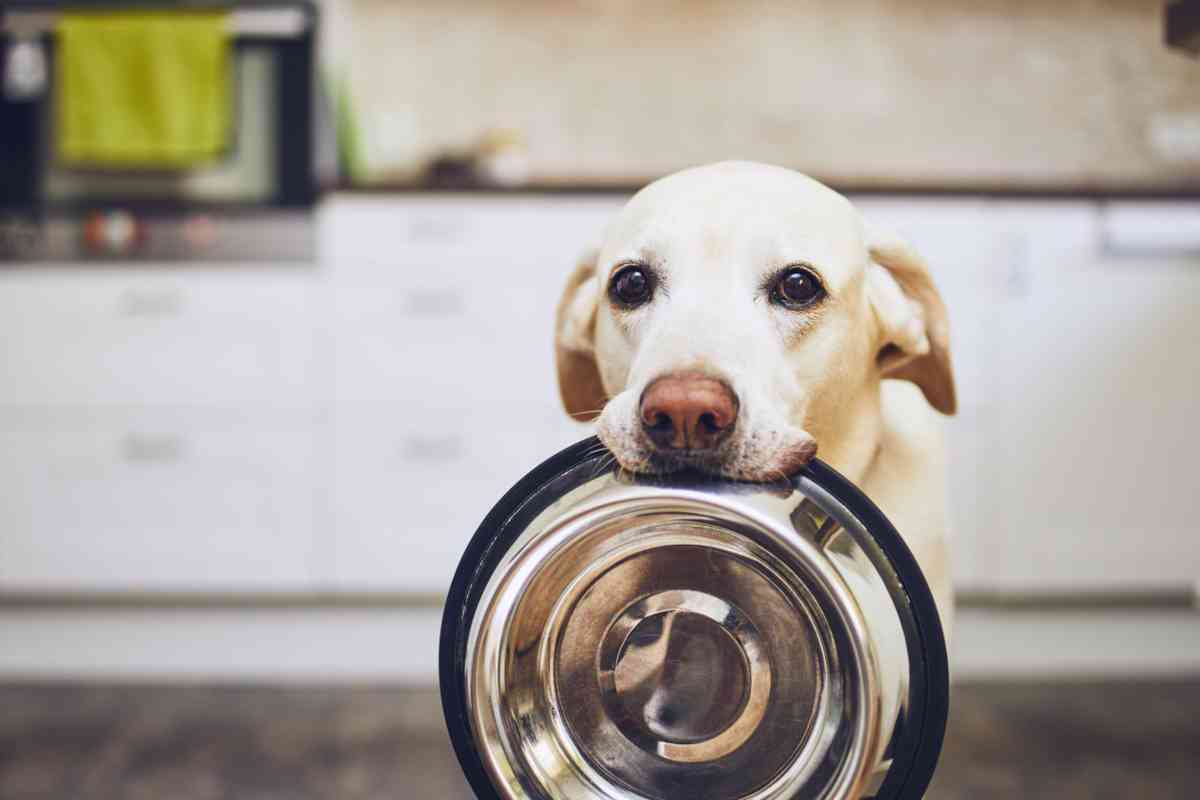
Store your pet’s food correctly to help keep it fresh, safe and nutritionally balanced.
If you bulk-buy wet food in cans, always inspect the can before opening. Canned pet food can keep well for a long time if stored properly, but if a can is rusty, punctured, leaking or bulging, it should be disposed of immediately.
Medications and supplements should ideally be stored in their original packaging, which is usually designed to protect the contents from moisture, heat and light. As a general rule, pet food, supplements and medicines should be kept out of direct sunlight in a cool, dry place — or refrigerated if the label says so.
Take an inventory
Once everything is out, it’s a good opportunity to make a note of what needs replacing or topping up. That might include everyday essentials like treats, grooming items, pet-safe cleaning products, supplements or first aid bits.
It can also help to keep spare feeding bowls, bedding and towels to hand, especially while other items are in the wash.
Donate
If you discover you’ve got too much of something — extra blankets, duplicate brushes, unused toys or unopened pet food — see if it can be donated instead of thrown away.
Many local animal shelters and rescue centres are grateful for clean bedding, towels, toys and in-date food or treats.
Sort worse-for-wear toys
Pet toys can get surprisingly grubby, so it’s worth giving them a proper clean while you’re sorting everything else. Hard toys can often be washed on the top shelf of the dishwasher — just avoid a heated dry cycle if there’s any risk of melting.
If you’d rather wash them by hand, start by wiping away obvious dirt. Then soak them in a bucket filled with two parts warm water and one part distilled white vinegar for around 30 minutes. Rinse well with clean warm water and dry thoroughly before giving them back to your pet.
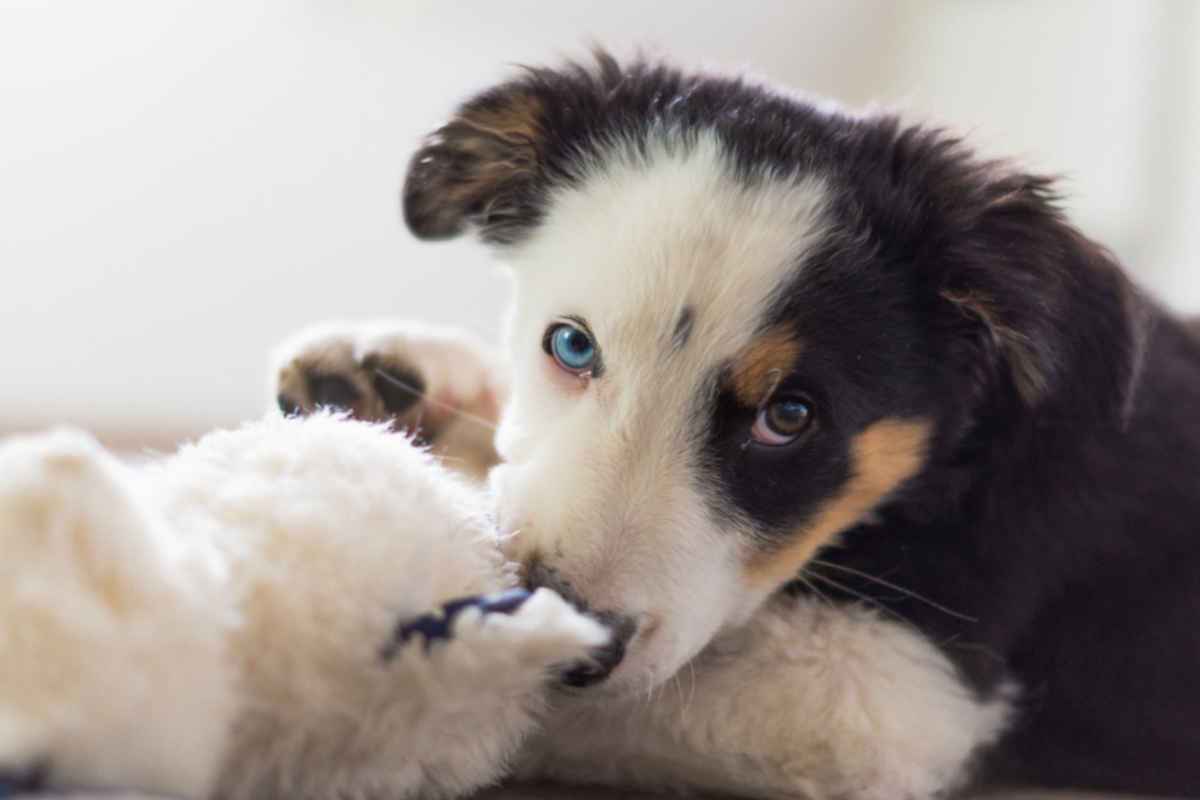
Check toys regularly for loose parts or damage. If they can’t be safely repaired, it’s best to replace them.
For soft toys, pop them into an old pillowcase and wash them in the machine using a gentle cycle and a pet-safe, fragrance-free detergent. If the care label is missing, a cool wash is usually the safest option.
Once washed, squeeze out excess moisture and allow them to dry fully before returning them. Always inspect toys afterwards for loose stitching, stuffing, squeakers or detached parts, as these can quickly become a hazard.
