



With gentle exercise, thoughtful care and the right nutrition, you can help your dog stay comfortable, curious and full of life.
🕒 5 min read
Watching your dog grow older is a bittersweet experience. While they may slow down slightly with age, many dogs can continue to enjoy an active, happy life well into their senior years.
The key to helping them with this is understanding how their needs change and knowing how to support them in the right ways. With gentle exercise, thoughtful care and the right nutrition, you can help your dog stay comfortable, curious and full of life.
This guide explores how to keep older dogs active, and how small adjustments, including the use of supplements for older dogs, can support their wellbeing as they age.
Why Staying Active Matters for Older Dogs
Regular movement is just as important for senior dogs as it is for younger ones.
Gentle exercise helps to:
- Maintain muscle strength and mass
- Support joint flexibility
- Help manage a healthy body weight
- Keep dogs mentally stimulated
It can also help dogs maintain the routines they enjoy, whether that’s daily walks, exploring new smells or simply spending time outdoors with you.
As dogs age, the goal isn’t intense activity, it’s consistent movement that suits their pace and energy levels.
Signs Your Dog May Be Slowing Down
Every dog ages differently, but you may notice some small changes as the years go by.
For example, your dog might:
- Take longer to get up after resting
- Prefer shorter walks than they used to
- Move more slowly or cautiously
- Spend more time sleeping during the day
These changes are often a natural part of ageing. But they can also be a reminder that your dog may benefit from adjustments to their routine and extra support for mobility and joint health.
The Best Exercise for Senior Dogs
When it comes to exercise for older dogs, gentle and regular activity is usually best.
Shorter, More Frequent Walks
Instead of one long walk, many senior dogs benefit from two or three shorter walks throughout the day. This allows them to stay active without becoming overly tired.
Let your dog set the pace and allow time for them to stop, sniff and explore.
Gentle Play
Many older dogs still enjoy playtime, especially when it’s adapted to suit their energy levels. A slow game of fetch, a favourite toy or light interaction in the garden can help keep them moving, engaged and feeling like themselves.
Low-Impact Activities
For some dogs, activities like swimming can be a gentle way to exercise while placing less strain on joints.
Exploring New Places
Even a familiar walk can become more interesting with a change of scenery. Visiting a new park or path can help keep your dog mentally stimulated.
Supporting Joint Health in Ageing Dogs
As dogs grow older, joint health often becomes an important consideration.
Over time, everyday wear and tear can affect how comfortably your dog moves. Supporting their joints can make a meaningful difference to how active and confident they feel.
Simple steps can help, including:
- Maintaining a healthy weight
- Providing supportive bedding
- Avoiding overly strenuous exercise
- Encouraging gentle daily movement
Many pet owners also introduce dog joint supplements to help provide additional nutritional support. Much like they do for us, supplements often help us maintain the levels of nutrients needed to support normal joint function and mobility.
When combined with regular activity and a balanced diet, they can help dogs stay comfortable and active for longer.
Nutrition and Supplements for Older Dogs
Good nutrition becomes even more important as dogs age. Their bodies may benefit from additional nutrients that support joints, digestion, skin and overall wellbeing.
While a high-quality diet remains the foundation of good health, supplements for older dogs can help complement daily nutrition.
Common types of pet supplements for dogs include:
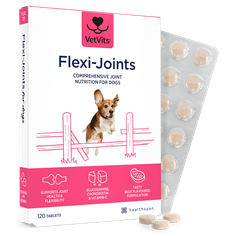
- Joint supplements: Designed to support mobility and flexibility, such as Flexi-Joints for Dogs or Flexi-Joints Plus.
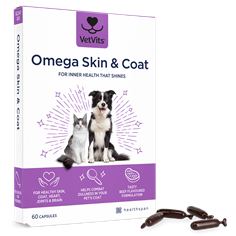
- Skin and coat supplements: Help maintain healthy skin and a glossy coat, such as Omega Skin & Coat.
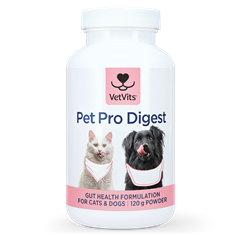
- Digestive supplements: Support normal digestive balance, such as Pet Pro Digest.
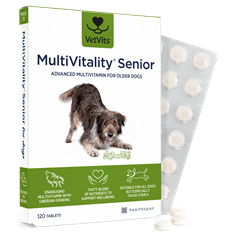
- General wellbeing supplements: Provide vitamins and minerals to support overall health, such as MultiVitality Senior.
Choosing supplements designed specifically for dogs helps ensure they receive appropriate support for their stage of life.
Keeping Your Dog Mentally Active
Staying active isn’t only about physical movement. Mental stimulation can also help older dogs stay engaged and enthusiastic about daily life.
Simple activities can make a big difference, such as:
- Puzzle toys or treat-dispensing games
- Gentle training exercises
- Sniffing games during walks
- Exploring new environments
These activities encourage curiosity and help keep your dog’s mind active as they age.
Small Changes That Can Help Older Dogs Stay Comfortable
Often, it’s the small adjustments that have the greatest impact.
You might consider:
- Providing soft or orthopaedic bedding
- Using ramps or steps where jumping is difficult
- Keeping nails trimmed for stable movement
- Adding non-slip mats to slippery floors
These small changes can help your dog move around the home more comfortably and confidently.
Helping Your Dog Enjoy Their Later Years
Ageing doesn’t mean your dog has to stop enjoying life. With the right care and support, many dogs continue to stay playful, curious and active well into their senior years.
By adapting their routine, supporting their nutrition and paying attention to their changing needs, you can help your dog continue doing the things they love — whether that’s a gentle walk, exploring new scents or simply relaxing beside you.
After all, keeping your dog active isn’t about pushing them harder. It’s about helping them stay comfortable, feel supported and get as much enjoyment as possible out of every stage of life.