




For lots of us, celebrations revolve around food. Whether it's a summer BBQ in the garden, a family party, Sunday roast, Easter lunch or Christmas dinner, there's nothing better than spending time with good food and loved ones.
🕒 5 min read
And if you have a pet, you'll know all too well that they're never too far away when food is around. Those hopeful eyes can make it tempting to slip them a little something from your plate, but while it's lovely to include your pet in the fun, not all human food is safe for them.
The good news? With a little planning, your pet can enjoy the occasion too, without compromising their health.
Safe foods to share
Many of the foods we enjoy throughout the year can also make healthy treats for dogs and cats, as long as they're prepared simply and offered in small amounts.
One of the easiest options is plain chicken. If you're lighting the BBQ, simply cook a chicken breast or thigh before adding marinades, sauces or seasonings. Once cooled, cut it into small bite-sized pieces for your pet. The same idea works just as well for roast chicken at Sunday lunch, turkey at Christmas or any family gathering where plain cooked meat can be prepared without bones.
Other pet-friendly foods include:
- Plain cooked turkey
- Plain cooked lean beef
- Plain cooked salmon or white fish, with all bones removed
- Plain, fully cooked egg
- Cooked carrots
- Green beans
- Plain pumpkin or sweet potato
Dogs can also enjoy small amounts of pet-safe fruit as an occasional treat, including blueberries, apple without the core or seeds, and seedless watermelon with the rind removed. Cats are obligate carnivores, so they're generally happiest with small portions of plain cooked chicken, turkey or fish rather than fruit or vegetables.
Whatever the occasion, always serve your pet's food plain. Skip the butter, oils, salt, pepper, herbs, garlic, onion, marinades and sauces, as these can upset their stomach or even be harmful.
Pro BBQ tip: make them their own treat
If everyone else is enjoying ice lollies while the barbecue is cooking, why not make one especially for your dog?
Try freezing this simple recipe in silicone moulds or ice cube trays:
Peanut butter & banana lolly
Mix together:
- 1 ripe banana
- A small spoonful of dog-safe peanut butter – always check that it is xylitol-free
- Enough plain natural yoghurt to create a spoonable mixture, if your dog tolerates dairy
Freeze until solid.
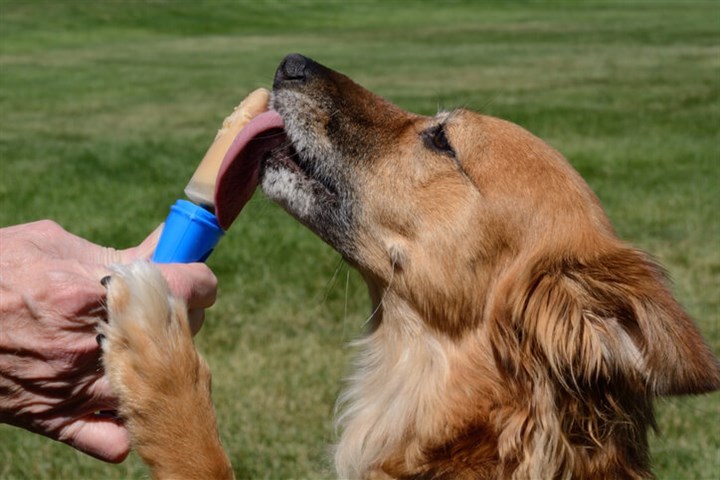
As with any treat, frozen snacks should be offered in moderation, and your dog should always be supervised while enjoying them. Cats may not be quite as interested in frozen treats, but they can still join in with a few pieces of plain cooked chicken or flaked salmon that has been cooked without seasoning.
Foods to keep off the menu (and why)
Some foods that are perfectly safe for people can make dogs and cats seriously unwell. Keep the following foods away from your pet:
Chocolate
Chocolate contains theobromine and caffeine. Dogs and cats cannot break these substances down as effectively as people can, so they can build up in the body. The risk depends on the type and amount of chocolate eaten and the size of the pet, but any chocolate ingestion should be discussed with a vet.
Grapes, raisins, currants and sultanas
Grapes and dried vine fruits can cause sudden kidney problems in dogs, and there is no reliably safe amount. Experts still do not fully understand why some dogs are affected more severely than others, so these foods should be avoided altogether. They should not be offered to cats either.
Onions, garlic, leeks and chives
These ingredients can damage your pet's red blood cells, making it harder for oxygen to travel around the body. This can leave them weak, tired and, in severe cases, seriously ill. They're harmful whether they're raw, cooked, powdered or included in seasoning mixes, gravies and marinades.
Cooked bones
It might seem natural to give your dog a leftover bone, but cooked bones become brittle and can splinter. Sharp pieces can damage the mouth, throat or digestive system, or cause a blockage.
Rich, fatty or highly seasoned foods
Sausages, burgers, stuffing, gravy, fatty meat trimmings and heavily seasoned foods are often high in fat, salt and spices. These can cause digestive upset and, in some cases, trigger painful inflammation of the pancreas, known as pancreatitis.
Xylitol
Xylitol is a sugar substitute found in some sugar-free sweets, baked goods and certain brands of peanut butter. In dogs, it can cause blood sugar levels to drop dangerously quickly and may also damage the liver. Always look for pet-friendly peanut butter and check ingredient labels before sharing it with your pet.
Contact your vet straight away, even if your pet seems well. Keep the packaging or ingredient list and be ready to explain what was eaten, approximately how much and when.
Support their digestion during treat time
Knowing what your pet can and cannot eat is important, but even safe treats can cause digestive upset if they are new or fed in larger amounts than usual. Keep portions small and return to their usual balanced diet after the occasion.
If your pet has a sensitive stomach or you are changing their diet, speak to your vet. You can also read our guide to supporting your dog's or cat's gut health.
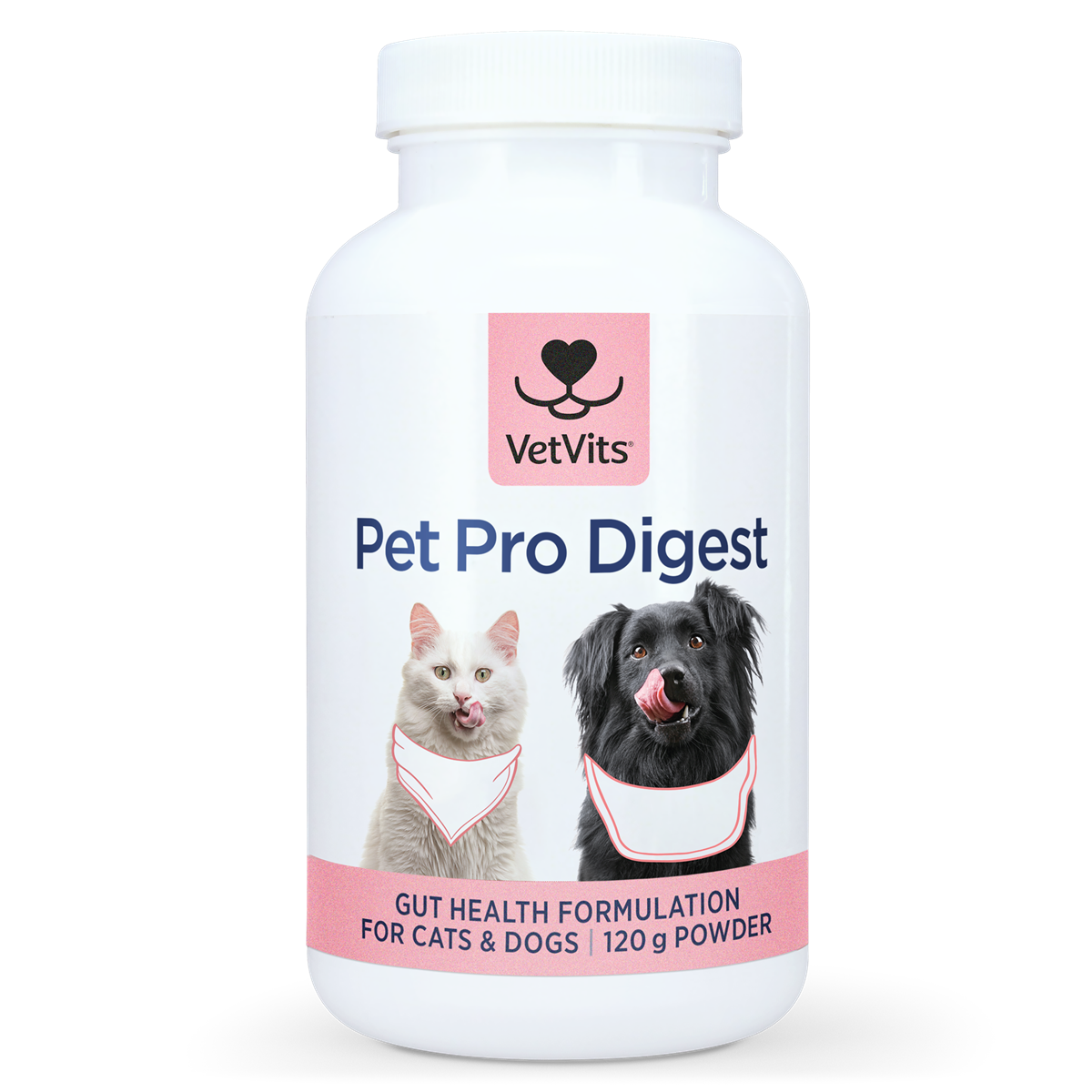
Pet Pro Digest
Daily probiotic support for dogs and cats | High in fibre | Supports gut balance and dental health | With advanced live cultures
- Probiotics for gut microbiome balance and digestion
- Supports digestion and dental health
- Easy to sprinkle and mix into your pet's food