



Your pet's paws are quietly doing a lot of work. Every walk, every stretch, every leap off the sofa, it all rests on four small sets of pads and claws. And yet paw care is one of those things that often slips down the to-do list, until something starts to look or feel wrong. In this guide, you’ll learn everything you need to know about keeping your dog's or cat’s paws and claws in good shape.
🕒 13 min read
Why Pet Paws and Claw Care Matters
A dog's paws do more than help them walk. The pads act as shock absorbers, protecting joints and bones during everything from a gentle stroll to a full-speed sprint. They contain sensory nerve endings that help your dog read the surfaces around them. They even play a small role in temperature regulation.
When paws are neglected, nails grow too long, hair matts between the pads, or cracked pads go untreated, and the knock-on effects go beyond discomfort. Overgrown nails alter the way your dog stands and moves, placing extra strain on joints over time. Hair clumping between the toes can harbour infection or cause your dog to slip on smooth floors. In winter, chemical de-icers lodged in the pads can cause serious irritation if not cleaned off.
For cats, regular claw trimming prevents the most common scenario: an overgrown claw that curves back towards the pad, causing pain and potential injury—even indoor cats who use a scratching post benefit from occasional trims.
How to Cut Dog Nails
Many dogs are a little wary about having their feet handled, particularly if they haven't been used to it from a young age. The good news is that, with patience and the right approach, most dogs can learn to accept a nail trim, and some can even come to enjoy it actively.
What you'll need:
- Sharp, correctly sized dog nail clippers.
- Styptic powder or a styptic pencil, in case you nick the quick.
- A nail file to smooth any rough edges afterwards.
- Plenty of treats.
Step-by-step instructions on how to clip dog nails:
- Choose a calm moment: Pick a time when your dog is relaxed, not hyped up after a walk. A quiet room with good lighting works best.
- Get your dog comfortable: Some dogs are happiest lying on their side; others prefer to sit. Have someone help you if your dog tends to wriggle.
- Identify the quick: On pale nails, you can usually see the pinkish-red vein running through the centre. Your goal is to trim just the tip, staying well clear of it.
- Trim small amounts at a time: Cut at a slight angle, following the natural curve of the nail. Little and often is safer than one big cut.
- Don't forget the dewclaws: These are the small claws set higher up on the inside of the leg. Because they don't touch the ground, they never wear down naturally and can grow into a full curve if left unchecked.
- Reward generously: Finish with a treat and plenty of praise. Positive associations make the next session easier.
If your dog is very resistant or anxious, there are easy ways you can help calm your dog. Try creating a safe space, stick to a calm routine, or give them an anxiety supplement such as our MagiCalm for dogs.
If you’re not confident, your vet or a qualified groomer can also trim their nails for you. There's no shame in asking for help.
How to Cut Dog Nails That are Black
Dark or black nails are trickier to manage because you can't see the quick. The risk of cutting too far is higher, which is why many owners feel anxious about black-nailed dogs. Here's the approach that works:
- Trim a tiny amount at a time, just 1 to 2mm per snip.
- After each cut, look at the cross-section of the nail face-on. When you start to see a small grey or pale oval in the centre of the cut surface, stop as you approach the quick.
- Keep styptic powder within reach throughout.
- Good lighting is important; use a torch or move to a well-lit spot if needed.
It's better to take several small sessions than rush. Some owners find it easier to do one or two nails at a time rather than all four paws in one go. Your dog will thank you for the patience.
How Short to Cut Dog Nails
As a general rule, your dog's nails should clear the ground when they're standing normally. If you can hear a distinct click-clack on hard flooring, the nails are probably overdue for a trim.
The goal is to leave approximately 2mm between your cut and the quick. Cutting too close increases the risk of pain and bleeding; leaving nails too long can affect your dog's posture and gait over time.
Most dogs benefit from a trim every 3 to 4 weeks, though this varies by breed, activity level, and the surfaces they walk on regularly. Dogs who spend a lot of time on hard ground will naturally wear their nails down faster.

How to Cut Cat Claws
Cats are generally better at managing their own claws than dogs, especially if they have access to a good scratching post. But claws can still grow too long, particularly in older cats who are less active, and an overgrown claw that curves back towards the pad is genuinely painful.
- Wait until your cat is relaxed. After a nap is ideal.
- Gently press the pad to extend the claw.
- Use purpose-made cat claw scissors or clippers with a rounded safety guard.
- Trim only the transparent tip, well clear of the pink quick.
- Release and offer a treat; do one or two claws per session if your cat is reluctant.
Most cats need their claws trimmed every 2-3 weeks. Long-haired cats can develop matted fur between their pads, which can become uncomfortable and trap debris. Check this area as part of your grooming routine and trim carefully if needed, using blunt-tipped scissors. If your cat is reluctant to let you near their paws, your vet or groomer can help.
How to Clean Dog Paws
Every walk brings mud, grit, pollen, and in urban areas, traces of pesticides and road chemicals. Getting into the habit of cleaning your dog's paws when they come inside is one of the simplest ways you can support their health.
Everyday cleaning:
- Lukewarm water and a clean cloth are usually all you need after a routine walk.
- A shallow bowl or dedicated paw washer (a portable cup with soft bristles) makes the job quick and easy.
- Unscented, pet-safe wipes work well for a quick clean when water isn't practical.
- Always dry the paws thoroughly, as damp skin between the toes is more prone to irritation and yeast.
When your four-legged friend comes in from a particularly muddy walk, a gentle wash with a small amount of mild pet shampoo followed by thorough rinsing and drying will do the job. Avoid scented or antibacterial products designed for humans, as they can strip your dog's skin of its natural oils.
How to Care for and Clean Cat Paws
Cats are fastidious self-groomers, but there are times when their paws need a helping hand. Checking your cat's paws regularly for soreness, swelling, unusual growths, or anything lodged between the toes takes only a minute and means you'll catch any problems early.
If your cat uses a litter tray, clean paws and cat litter can be ongoing concerns with litter tracked into the home or clumping around the toes. A quick, gentle wipe with a damp cloth when they come in from the tray or head back in from outside is usually all that's needed.
For anything more stubborn, use a small amount of warm water and a gentle, pet-safe cleanser. Avoid anything scented or antibacterial. Make sure paws are dried thoroughly afterwards, as cats don't appreciate being damp, and persistent moisture between the toes can cause irritation over time.
How to Trim Paw Hair
The fur between the pads is easy to overlook, but worth keeping on top of for both dogs and cats. Left untrimmed, it can become matted and uncomfortable, trap mud and debris, and, in icy weather, form painful ice balls between the toes.
Trimming dog paw hair:
- Use blunt-tipped (bull-nosed) scissors or a small dog trimmer designed for sensitive areas.
- Gently separate your dog's toes to expose the fur between the pads.
- Trim the hair level with the pads and aim to neaten rather than shave completely.
- Work slowly; the skin between the toes is delicate.
- Comb the hair upwards on the top of the paw and trim to create a neat, rounded shape.
For dogs prone to picking up debris on walks, a trim every 3-4 weeks is usually enough. If your dog is very wriggly, a groomer will be happy to include this as part of a routine appointment.
Trimming cat paw hair:
- Cats don't always need their pad hair trimmed, but long-haired cats often develop noticeable tufts between the toes that can mat and cause soreness.
- Check the underside of your cat's paws during your regular grooming routine.
- If tufts are forming, use small, blunt-tipped scissors to trim the hair level with the pads gently.
- Work in a calm, unhurried way, as most cats will tolerate a quick trim if they're relaxed and you move slowly.
If your cat objects strongly, your vet or groomer can do this for you.
Moisturising and Protecting Pet Pads
Dry or cracked pads can be soothed and protected with a dog-safe paw balm. Apply a thin layer after cleaning and drying, as it helps lock in moisture and creates a gentle barrier against rough or treated surfaces. Check the ingredients before using any balm on your cat; some products suitable for dogs are not appropriate for cats, who groom their paws and will ingest whatever is applied.
Learn more about how to support your pet’s skin and coat health with our guide.
Supporting Paw Health from the Inside Out
Good nutrition plays a quiet but important role in paw health. Dry, cracked pads, brittle nails, and dull coat condition are all signs that a dog's diet might be missing something. Essential fatty acids, particularly omega-3 and omega-6, are the building blocks of healthy skin and coat, helping maintain the moisture barrier that keeps pads supple and resilient.
If your dog's coat has lost its shine, their skin seems dry, or their pads crack more than they should, it may be worth looking at their diet alongside their paw care routine. Our Omega Skin & Coat supplement is a high-strength blend of omega-3, 6 and 9, the good fats that help your pet feel great and look their best.
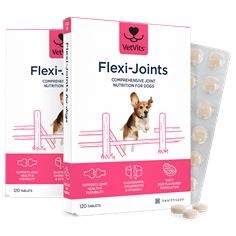
For dogs in their later years, joint health can affect how they move and bear weight, which in turn affects the wear on their paws and nails. Our dog joint supplements are formulated with pure glucosamine HCl and chondroitin to support comfortable, confident movement, so your four-legged friend can keep exploring without slowing down.
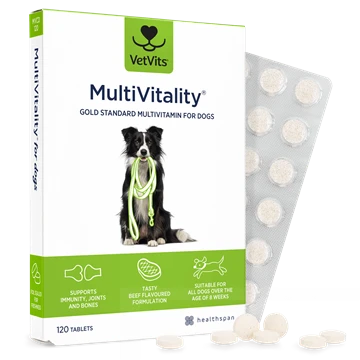
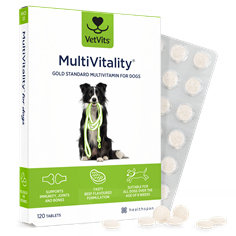
MultiVitality® for Dogs
Daily multivitamin support for energy, immunity and overall wellbeing
- 18 essential vitamins and minerals
- Supports everyday health and vitality
- Tasty beef flavour
Seasonal Paw Care
Your pet's paws face different challenges depending on the time of year. Summer brings hot pavements and hidden hazards in long grass; winter means salt, ice, and chemical de-icers that can quickly take their toll on even the toughest pads. A few small adjustments to your routine each season can make a real difference in your pet's comfort and paw health year-round.
How to Care for Dog Paws in the Summer
Hot pavements are one of the most common causes of paw pad burns in summer. If the surface feels uncomfortably warm to the back of your hand after seven seconds, it's too hot for your pet's pads. Walk your dog during cooler parts of the day, either early morning or late evening, and stick to grassy or shaded routes when possible.
Check paws after walks in long grass or woodland during the warmer months. Grass seeds and thorns are a particular hazard; they can lodge between the toes and, if missed, work their way into the skin.
Read more in our article on tips for taking your dog on holiday for more pet travel tips, apart from paw care, while away for the summer.
How to Care for Dog Paws in the Winter
Cold weather brings its own set of challenges. Salt and chemical de-icers spread on pavements and car parks are the biggest concern: they can cause redness, cracking, and painful sores on your dog's pads, and if licked off, may upset their stomach. Try to walk at quieter times, away from heavily gritted main roads and car parks.
Make sure to rinse paws with lukewarm water after every winter walk to remove salt and de-icers, even if the walk was short. Dry thoroughly, paying attention to the skin between the toes. Then, apply a dog-safe paw balm before going out to create a protective barrier, and again when you return. Trim the hair between the pads to prevent ice and snow from clumping, and consider dog booties if your pet is comfortable wearing them.
If your dog develops sore paws in the winter, small, superficial cracks can often be managed with a good paw balm and a few days away from rough or salted surfaces. Deeper cracks, bleeding, or signs of infection need veterinary attention.
Sore Paws: Common Causes and What to Do
Sore paws in dogs and cats can have a range of causes. Some are easily managed at home; others need veterinary attention.
| Cause | Signs | What To Do |
|---|---|---|
| Cracked pads | Dry, split, or flaking pad surface | Use paw balm and monitor closely. Contact your vet if there is bleeding, worsening soreness, or signs of infection. |
| Foreign body Thorn or grass seed | Limping, excessive licking, swelling, tenderness between the toes | If you can clearly see and safely remove it, do so gently. Otherwise, contact your vet, especially if swelling or pain continues. |
| Salt or chemical irritation | Redness, licking, mild sores, irritated pads after walks | Rinse paws with lukewarm water, dry thoroughly, and monitor. Seek veterinary advice if the irritation does not settle. |
| Infection | Swelling, discharge, odour, discolouration, warm or inflamed skin | Book a veterinary appointment, as infections usually need proper assessment and treatment. |
| Overgrown nails | Clicking on floors, altered gait, nails curling or catching | Trim nails carefully at home if you are confident, or ask your vet or groomer to do it for you. |
When to Contact Your Vet
Most routine paw care can be handled at home with a little practice and the right tools. But some situations do need professional attention. Contact your vet if you notice:
- Deep cuts or puncture wounds, or bleeding that doesn't stop within a few minutes.
- Signs of infection: swelling, discharge, a strong or unusual odour, or hot, red skin.
- Your pet is limping heavily or refusing to bear weight on a paw.
- Chemical burns to the pads that need immediate attention.
- An ingrown nail that is pressing into the pad.
- Persistent licking or chewing that stains the fur brown or pink often signals a yeast overgrowth or allergic reaction.
- Any lump, cyst, or growth on or between the toes.
When in doubt, it's always better to pick up the phone. Minor issues that are caught early are much easier to treat.
Final Thoughts
Pets are family. A little regular attention to your pet's paws goes a long way, and you can feel confident you're giving your pet the care they deserve. For more help and advice, take a look at our Pet Health Hub or view our trusted dog supplements and cat supplements. If you have any questions about which VetVits supplement might be right for your dog or cat, you can contact our friendly team seven days a week.
Top ↑