





When you bring home a tiny puppy, it’s hard to imagine them slowing down and becoming an old dog. Sadly, those senior years do arrive. Here’s what to expect as your dog ages, and how to support them through later life.
🕒 6 min read
Dog lifespan: how long do dogs live?
Bringing a dog into your life is a long-term commitment. Recent studies suggest that, on average, dogs live for around 12 years. However, this varies a great deal between breeds. Large dogs often reach about 8–10 years, while many smaller breeds can live to 14 years or more. That means “dog years” are not the same for every size or breed, and they don’t translate neatly into human years either.
We generally think of a dog as “senior” when they enter roughly the last quarter of their expected lifespan, which is often from around nine years of age. For large and giant breeds (usually over 40 kg), this senior stage can begin as early as six. For small breeds (under 10 kg), we may not consider them truly mature until they are around 10 or 11.
Your dog’s behaviour and overall condition are just as important as their exact age. If you are unsure how old your dog is – for example, if they were adopted – the signs of ageing below can help you work out whether they may have reached their senior years.
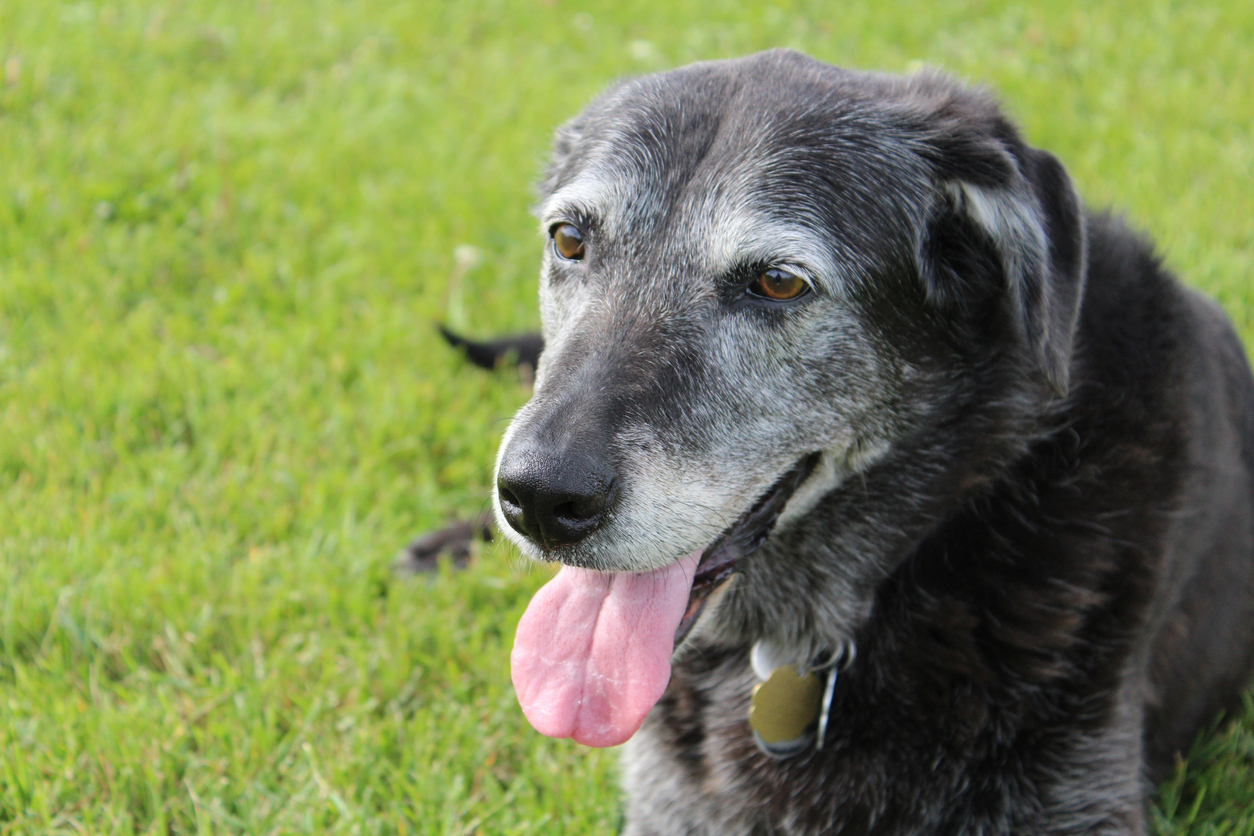
If you're not sure if your dog has reached senior age, check for greying fur around their muzzle or a blue tint to their eyes.
Signs a dog is getting old
One of the earliest visible changes in an older dog is often a sprinkling of grey fur, particularly around the muzzle and eyes. (You won’t usually notice this in white-coated dogs.)
Another common sign of ageing is a bluish haze in the eyes. This is called nuclear sclerosis – a normal age-related change that usually doesn’t affect vision. It’s different from cataracts, which are linked to disease and can interfere with eyesight. You may also notice your dog becoming less responsive to sounds as their hearing gradually declines.
It’s important to remember that age itself is not a disease. It can be tempting to explain away new symptoms or changes in behaviour as your dog “just getting old”, but in many cases these are actually signs of health conditions that are more common in older dogs.
For instance, slowing down on walks and sleeping more can be linked to heart disease and/or arthritis rather than simply ageing. Similarly, an older dog that begins to have accidents indoors may be showing signs of arthritis, kidney disease or canine cognitive dysfunction (“dog dementia”).
Don’t dismiss these changes as inevitable. Instead, have your dog checked by a vet so that any underlying problems can be identified and managed promptly, helping them enjoy the longest and happiest life possible.
Here are some symptoms that are common in old age, but are actually linked to disease and need expert advice:
- Slowing down, less energy or reluctance to exercise
- Stiffness (especially after rest), a stilted gait or back legs that sometimes collapse
- Having accidents in the house despite being previously well toilet trained
- Confusion, forgetting training or seeming to get lost in familiar places
Even if you don’t notice obvious changes, it’s sensible to visit your vet every six months once your dog reaches senior age. Regular check-ups help pick up problems early so they can be treated or managed before they cause significant discomfort.
Adapting your home for a mature dog
Once your dog enters their senior years, they are more likely to develop arthritis, joint stiffness and age-related cognitive changes. Small adjustments at home can make a big difference to their daily comfort and confidence.
Here are some simple ways to adapt your home to support an older dog.
Remove slippery surfaces
Slippery floors can be very uncomfortable – and even frightening – for a dog with sore joints. Laying rubber mats or non-slip rugs over wooden or hard floors, especially in areas they walk through frequently, can help them move around more easily. These textured surfaces can also act as useful landmarks for dogs that are losing their sight.
Consider your furniture
Dogs with reduced vision or dementia rely heavily on familiar surroundings. Try to keep furniture in the same position and avoid creating new obstacles in walkways. A consistent layout helps them navigate safely and reduces anxiety.
Adding ramps
If your dog used to jump into the car or onto the sofa or bed, they may now benefit from a ramp or set of steps. Ready-made ramps are widely available, but sturdy DIY options can also be suitable as long as they are strong enough, wide enough and not too steep. A secure ramp reduces the risk of slips or falls, which is especially important for dogs with painful joints.
Raising food bowls
Many older dogs find it more comfortable to eat and drink from slightly raised bowls. Using a stand or platform means they don’t have to bend their neck as far, which can be helpful if they have arthritis in the neck, shoulders or front legs. This simple change can make mealtimes more pleasant and encourage them to keep eating well.
Comfortable beds
Senior dogs often have sore joints and need extra support from their bed. Look for an orthopaedic-style bed that is well padded, easily washable and has low sides so they can get in and out without struggling. Make sure the bed is big enough for them to stretch out comfortably, rather than having to curl up too tightly.
Diet and exercise for a senior dog
It’s still important for senior dogs to stay active, but their exercise routine may need to be adjusted. Many older dogs enjoy familiar routes where they know the smells and surroundings, especially if their eyesight is starting to decline.
Shorter, slower walks done more often are usually better for arthritic joints than one long, demanding outing. Gentle, regular movement helps keep muscles strong and joints mobile without overloading them.
As your dog’s activity levels naturally decrease, they are likely to need fewer calories to avoid gaining excess weight. You may need to gradually reduce their food or switch to a dedicated senior diet, which is typically easier to digest and often formulated with lower phosphorus to support ageing kidneys.
If your dog begins to lose weight without any change to their diet, or if they seem hungrier than usual, arrange an appointment with your vet. Unexplained weight loss, changes in appetite or increased thirst can all be signs of illness that need investigation.
Supplements for elderly dogs
Alongside a balanced diet and any medication prescribed by your vet, supplements can play a useful supporting role in caring for an elderly dog.
Joint supplements are commonly used for older dogs, especially those showing signs of stiffness. Products that provide glucosamine, chondroitin and green-lipped mussel can help support joint health and mobility. They won’t cure arthritis, but they can form part of a wider management plan, particularly when combined with appropriate exercise and weight control.
Senior multivitamins can also be helpful, offering additional vitamins and minerals in an easy-to-absorb form. These can support overall vitality, including energy levels, heart health and immune function.
VetVits formulations such as MultiVitality® Senior and Flexi−Joints Plus for Dogs are designed with older dogs in mind and can be used alongside a complete diet and your vet’s advice.
Conclusion
Dogs can spend a significant proportion of their lives as seniors, so it’s well worth planning ahead for how you’ll support them in their later years. Old age itself is not a disease, but it does make certain health problems more likely – and many of these show up first as changes in behaviour or habits.
By monitoring your dog closely, adapting your home, adjusting their exercise and nutrition, and seeking veterinary advice promptly if you notice anything unusual, you can help your dog stay comfortable, content and involved in family life for as long as possible.
VetVits supplements to support older dogs
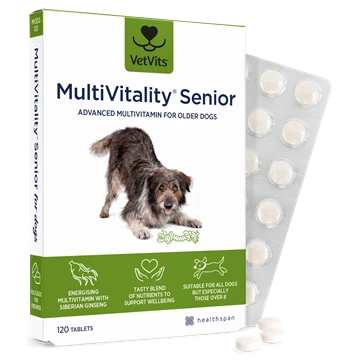
MultiVitality® Senior
Advanced multivitamin for older dogs with 15 nutrients to support energy, heart, joints and overall vitality.
View product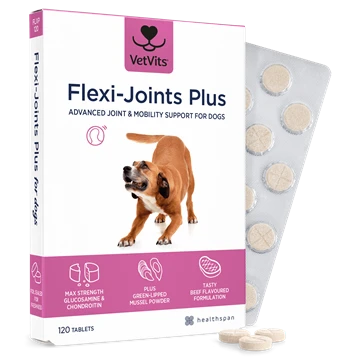
Flexi−Joints Plus for Dogs
High-strength joint support with glucosamine, chondroitin and green-lipped mussel.
View product
Omega Skin & Coat
Omega 3 & 6 blend to nourish skin, support joints and promote a glossy coat.
View product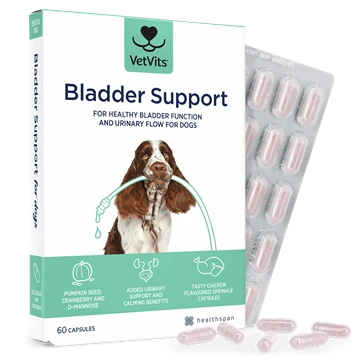
Bladder Support for Dogs
Pumpkin, D-mannose and cranberry to support bladder and urinary health.
View product