





Just like us, pets need good-quality sleep to stay healthy and happy. But how much sleep is normal for dogs and cats, and when should a change in their sleeping habits be a cause for concern?
🕒 6 min read
Pet owners often worry when their dog suddenly seems sleepy all day, or when their cat starts pacing around the house at night. While every pet is different, understanding what normal sleep looks like can help you spot when something may be wrong.
Normal Sleep in Pets
Dogs and cats sleep very differently from humans, and there is a wide range of what can be considered normal. Domesticated cats often sleep for around 12 to 15 hours a day, and sometimes longer as they get older. Dogs usually sleep for around 10 hours a day, along with a few extra hours of rest and dozing, although this can vary hugely from one dog to another.
Puppies and kittens need even more sleep. All those little naps throughout the day can add up to around 18 hours in every 24. As pets reach adulthood, their sleep often becomes a little more settled, before increasing again in later life.
Dogs, much like humans, tend to get most of their restorative sleep overnight. Cats are different. They are often more active at dawn and dusk, with sleep and rest spread throughout both the day and night.
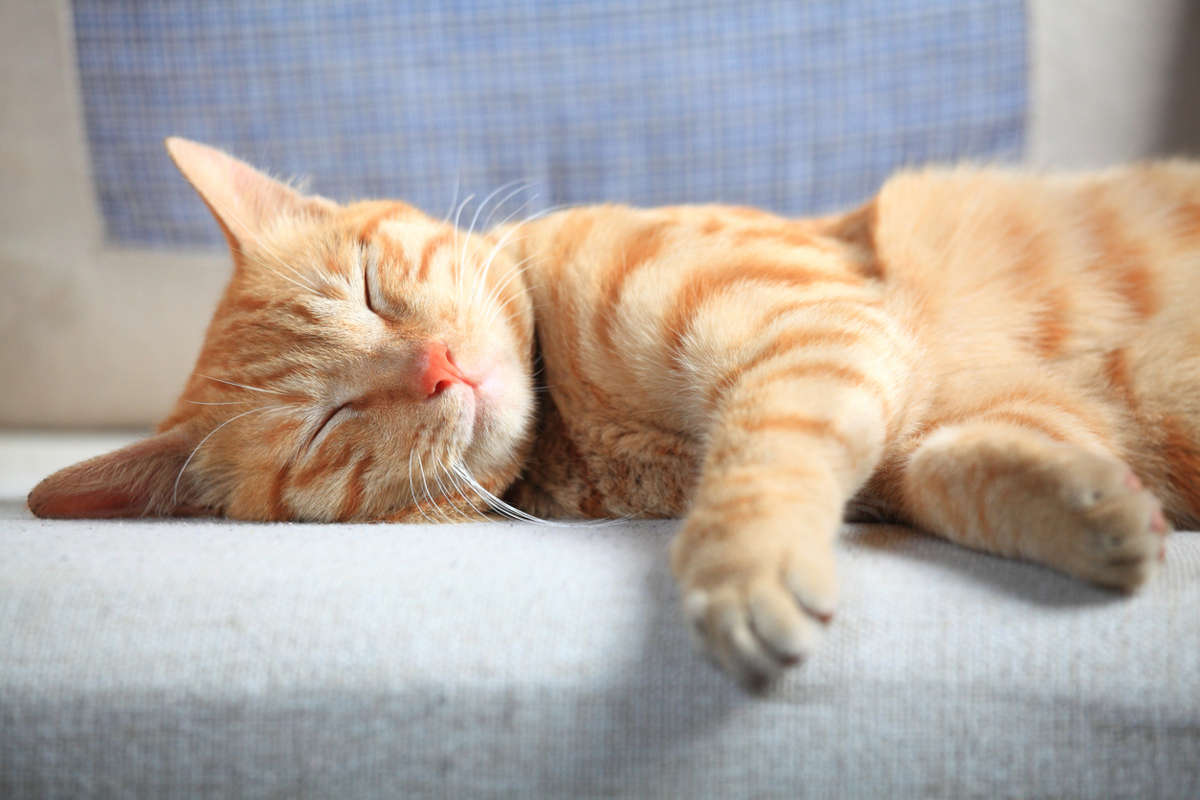
It’s normal for cats to sleep for 12–15 hours a day, while dogs often sleep for around 10 hours plus a few extra rest periods.
REM Sleep in Dogs and Cats
Like humans, both dogs and cats experience REM sleep, the stage linked with deep rest and dreaming. The difference is that pets move through their sleep cycles faster than we do. This means they spend shorter bursts in deep sleep and can be woken more easily by noise, movement, or activity around the home.
In busy households, interrupted sleep can become more noticeable, especially in pets that are naturally light sleepers or easily disturbed.
Why Sleep Matters for Pets
Sleep is essential for physical and mental wellbeing. Although scientists are still learning exactly how sleep works in animals, we do know that it plays an important role in learning, memory, and behaviour.
Poor-quality sleep or sleep deprivation may affect your pet’s mood, sensitivity to pain, and ability to cope with daily life. In dogs that are prone to certain neurological conditions, poor sleep may even make problems worse. In short, good sleep is one of the foundations of good health.
Is My Pet Sleeping Too Much?
Because dogs and cats naturally sleep for large parts of the day, it can be hard to know when “a lot of sleep” becomes “too much sleep”. Sometimes a pet sleeps more simply because they are bored or under-stimulated. In other cases, increased sleep can be a sign of illness, pain, or age-related changes.
If your pet is sleeping more than usual, look at the bigger picture. Ask yourself whether they also seem unwell in other ways.
- Changes in eating habits
- Drinking more than usual
- Changes in urination
- Tiring more quickly on walks or during play
- Hesitating to jump up or use stairs
- Stiffness, especially after resting
- Noticeable behavioural changes
If any of these apply, it’s worth booking a veterinary appointment for an examination.
Why Is My Pet Sleeping Badly?
There are many reasons why a dog or cat may struggle to sleep well. In older pets, sleep can become lighter and more fragmented. But sleep problems can also be linked to pain, anxiety, hormone conditions, or practical issues such as needing to get up more often during the night.
Dementia or Cognitive Dysfunction
Both dogs and cats can develop age-related cognitive decline. One common sign is a change in their sleep-wake pattern, such as sleeping more during the day and becoming restless at night. If you suspect your pet may be showing signs of cognitive decline, speak to your vet, as there may be treatment and support options available.
Arthritis
Arthritis can make it hard for pets to get comfortable, especially at night. Even when they are on medication, stiffness and aching joints can still affect sleep quality. A supportive bed and good joint care can make a real difference, particularly in older dogs.
Needing to Urinate
If your pet is waking frequently to go outside or use the litter tray, this can seriously affect their sleep. Increased urination may be linked to age-related illness or other health problems, so it’s worth getting checked if this is a new change.
Anxiety
Anxious pets often struggle to settle. Whether they are reacting to noise, visitors, changes in routine, or other animals nearby, feeling on edge can interfere with rest and lead to irritability the next day. Creating a calm, quiet sleeping area can help, and some pets may also benefit from additional support.

MagiCalm
For naturally calmer and less anxious dogs
- Magnesium, B vitamins and chamomile
- Beef flavour enhanced with brewer's yeast
- Supports calm behaviour in stressful situations
Hyperthyroidism in Cats
Hyperthyroidism is relatively common in older cats and can cause hyperactivity, increased appetite, weight loss, drinking more, and changes in sleep. A cat with hyperthyroidism may seem restless and unable to settle properly. Because this condition can also affect the heart, veterinary treatment is important.
Sleep Apnoea and Breathing Problems
Flat-faced pets, especially brachycephalic dogs and cats, can struggle to breathe normally while sleeping. Snoring, disturbed breathing, or frequent waking may point to sleep-disordered breathing. If you notice your pet snoring heavily or seeming to stop and start in their sleep, speak to your vet for advice.
When to Speak to Your Vet
Changes in sleep are not always a sign of something serious, but they are worth paying attention to, especially if they are sudden, persistent, or paired with other symptoms. A pet that sleeps more than usual, seems restless overnight, or no longer settles comfortably may be trying to tell you something.
In many cases, simple changes such as a quieter sleeping area, a better bed, or more daytime enrichment can help. But if pain, anxiety, hormonal issues, or age-related conditions are involved, your vet can help you work out the cause and the best next steps.
Final Thoughts
It’s normal for pets to sleep for a large part of the day, especially as they get older. But sleep that suddenly changes, becomes restless, or seems excessive can sometimes point to an underlying issue. Supporting your pet with a calm environment, a comfortable place to rest, and the right nutritional or veterinary support can go a long way towards helping them feel their best.
For more advice on everyday pet wellbeing, explore the VetVits advice hub and discover our range of trusted dog and cat supplements.
Top ↑