





Fireworks may be fun for us, but for many dogs they’re confusing and frightening. Loud bangs, flashes of light and sudden noise can cause stress and anxiety. Here’s how to prepare in advance, keep your dog calm on the night, and support them with natural calming options.
🕒 3 min read
Why fireworks worry dogs
Dogs have incredibly sharp hearing. The unpredictable crashes, whistles and flashes of fireworks can make even the calmest pet feel anxious. Some may hide under furniture, bark, or tremble, while others show stress by pacing, panting or clinging to their owner. Understanding why they react this way is the first step to helping them cope.
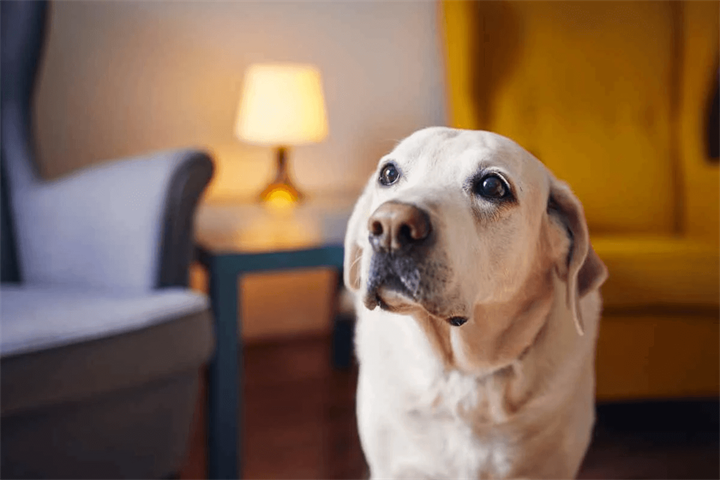
Give your dog comfort and reassurance if they want it, but don’t disturb them if they retreat.
Before the event
Create a ‘fireworks den’ or safe place
Choose a quiet area away from windows and outside doors. A crate is ideal, but you can also drape a blanket over a table or chair. Add bedding, toys, and a piece of your clothing for comfort. The earlier you set this up, the better — ideally a couple of weeks before fireworks season — so your dog has time to get used to it. Let them come and go freely, and reward them for settling there.
Try sound therapy
Sound desensitisation can reduce firework anxiety over time. Start by playing low-volume firework recordings for 10–15 minutes a day. If your dog stays relaxed, gradually increase the volume. If they show stress, take a step back and reduce the sound again. With patience over weeks or months, many dogs become less reactive to sudden bangs.
On the day
Exercise and food
Give your dog a long walk earlier in the day and feed them a filling meal before dusk. A tired, well-fed dog is often more settled when evening arrives.
Block noise and flashes
Close curtains and windows, and play the TV or radio to mask external sounds. Keeping the environment familiar and steady helps reduce the shock of sudden noises.
Stay calm yourself
Dogs are sensitive to human emotions. Speak gently, move calmly, and avoid fussing too much. Let your dog choose whether to hide in their den or stay with you.
Comfort and distraction
Some dogs feel reassured by gentle touch or sitting close, while others prefer space. Offer a long-lasting chew or puzzle toy to help redirect nervous energy. If your dog tolerates it, an anxiety wrap or snug-fitting vest can also provide comfort.
Natural calming support
Alongside practical measures, some dogs benefit from natural calming supplements. Look for products formulated specifically for pets, with ingredients such as lemon balm, B vitamins or L-tryptophan, which are known to support relaxed behaviour. Always follow usage guidance and speak to your vet if your dog has existing health conditions or is on medication.
Key takeaways
- Prepare a quiet, safe den well before fireworks begin
- Exercise your dog earlier in the day and feed before dark
- Mask outside noise with TV or radio, and close blinds to block flashes
- Stay calm, offer reassurance, and never punish fearful behaviour
- Consider a gentle calming supplement to further support relaxation
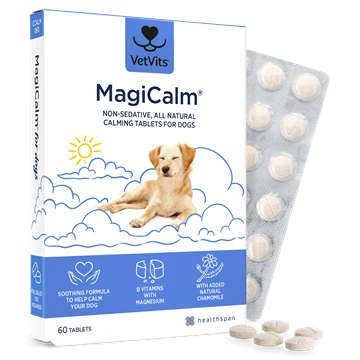
Magicalm for Dogs
Supports calm behaviour | Ideal during fireworks or travel | Tasty chew with lemon balm, B vitamins and L-tryptophan
- Promotes relaxation during fireworks, travel and other stressful times
- With lemon balm, B vitamins and L-tryptophan
- Tasty beef-flavoured chew dogs love
